Public cloud storage exposure showing private files at risk of unauthorized access

Public Cloud Storage Exposure: How Private Files Become Public

Cloud storage has made it easier than ever to save files, share documents, and access information from almost anywhere. Businesses use cloud platforms to store customer records, employee information, financial documents, backups, and other important data. Individuals also rely on cloud storage for photos, personal files, and everyday documents. However, convenience can create security risks…

Read More
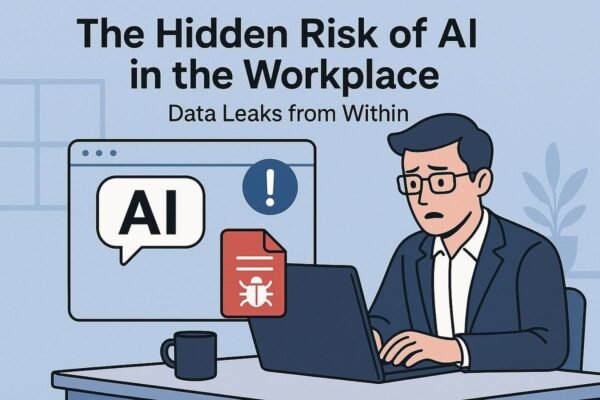
Employee using an unauthorized AI tool on a laptop, highlighting workplace cybersecurity and data privacy risks.

Shadow AI Risks: What Happens When Employees Use Unauthorized AI Tools

Artificial intelligence is becoming a regular part of everyday work. Employees use AI tools to write emails, summarize documents, analyze information, generate code, and complete routine tasks more quickly. While these tools can improve productivity, they can also introduce security risks when employees use them without their organization’s knowledge or approval. This growing concern is…

Read More
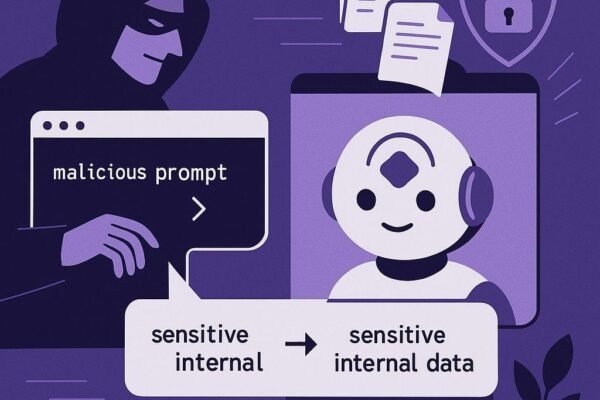
AI chatbot protected against prompt injection attacks and malicious instructions.

Prompt Injection Attacks: How to Protect AI Chatbots

Artificial intelligence is changing how people search for information, communicate with businesses, and complete everyday tasks. AI chatbots can answer questions, summarize documents, assist customers, and help employees work more efficiently. However, as these systems become more powerful, they also introduce new cybersecurity risks. One important threat is known as a prompt injection attack. Prompt…

Read More
Malicious browser extensions showing warning signs and online security risks

Malicious Browser Extensions: Warning Signs Every User Should Know

Browser extensions can make everyday internet use easier. They help users block unwanted advertisements, manage passwords, check grammar, translate languages, and complete tasks more efficiently. However, not every extension is safe. Some are designed to collect personal information, monitor browsing activity, display unwanted advertisements, or redirect users to suspicious websites. The biggest concern is that…

Read More