






Evil Twin Wi-Fi Attacks: How Fake Networks Steal Sensitive Information
Free Wi-Fi is convenient when you are working from a café, waiting at an airport, staying in a hotel, or visiting a shopping mall. With just a few taps, you can connect to the internet, check emails, browse websites, and complete everyday tasks. However, not every Wi-Fi network that looks familiar is safe. Cybercriminals can…

Lateral Movement Attacks: How Hackers Spread Across Networks
A cyberattack does not always end when someone gains access to a single computer or online account. In many cases, that first entry point is only the beginning. Once inside a network, attackers may attempt to reach other devices, access sensitive information, and find systems with greater privileges. This process is known as a lateral…
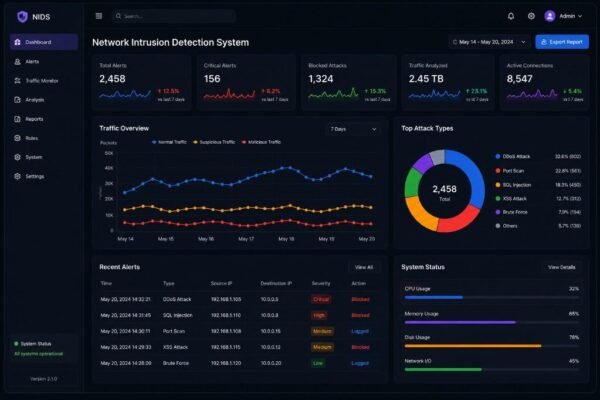
Intrusion Detection Systems: How Networks Identify Suspicious Activity
Every day, networks handle large amounts of digital information, from employee logins and customer records to business applications and cloud-based services. While this connectivity makes work easier, it also creates opportunities for cybercriminals to attempt unauthorized access, steal sensitive information, or disrupt important systems. Recognizing suspicious activity early is an important part of protecting a…
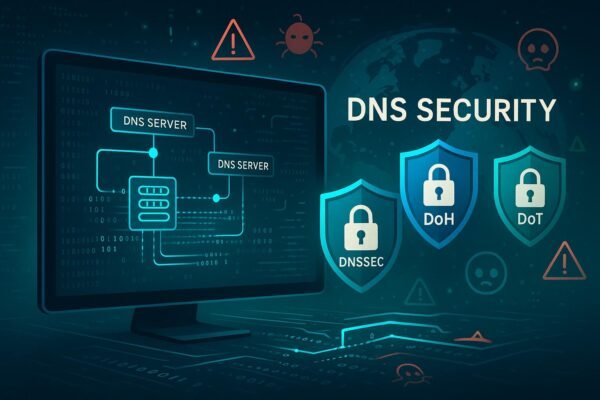
DNS Tunneling Attacks: How Hackers Hide Malicious Network Traffic
Every time someone visits a website, sends an email, or opens an online application, the Domain Name System (DNS) helps their device find the correct destination. Because DNS plays such an important role in everyday internet activity, organizations allow DNS traffic to pass through their networks as part of normal operations. However, attackers can misuse…

Network Traffic Analysis: How Security Teams Detect Hidden Cyber Threats
Every time someone opens a website, sends an email, downloads a file, or accesses a cloud application, data travels across a network. These everyday activities create a continuous flow of digital communication. While most of this traffic is legitimate, some of it may hide suspicious activity that could put an organization at risk. Cybercriminals often…
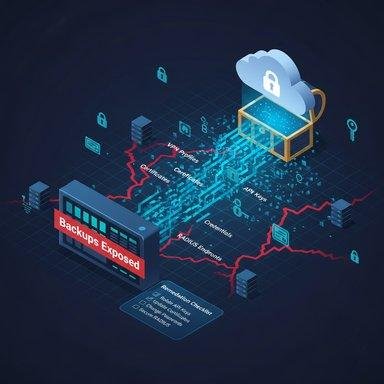
Cloud Backup Tampering: How Attackers Can Undermine Data Recovery
Cloud backups have become an important part of protecting business information. Companies rely on them to preserve customer records, financial documents, databases, application files, and other valuable data. When a system crashes or a cyberattack disrupts operations, these backups can help businesses recover without starting from scratch. However, storing a copy of important data does…

Session Hijacking: How Attackers Take Over Active Online Accounts
Imagine logging into your email, social media, or online banking account and finding that someone else has already gained access. Your password may still be correct, and you may not have received any unusual login alerts. Yet, an attacker could be using your account without your knowledge. This is one of the risks associated with…

AI Data Poisoning: How Manipulated Training Data Can Mislead Intelligent Systems
Artificial intelligence is becoming an important part of everyday digital life. Businesses use AI to detect fraud, recommend products, identify security threats, analyze customer behavior, and automate important decisions. However, the accuracy of these systems depends heavily on the quality of the data used to train them. What happens when that data is deliberately manipulated?…
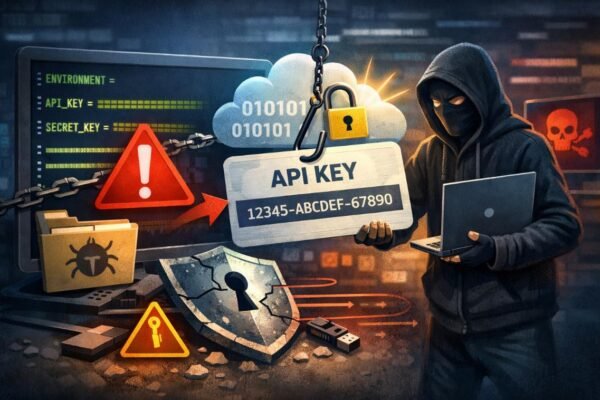
Exposed API Keys in Cloud Environments: How Small Leaks Become Major Security Risks
A small piece of text can sometimes create a big security problem. An API key may look like an ordinary string of letters, numbers, and symbols, but it can provide access to important cloud services, applications, databases, and business systems. When that key falls into the wrong hands, attackers may be able to use it…

MFA Fatigue Attacks: Why Repeated Login Prompts Can Put Accounts at Risk
Have you ever received a login notification on your phone when you were not trying to access an account? Now imagine receiving the same notification again and again, even after ignoring it several times. It can quickly become annoying, especially when you have no idea why it is happening. This is one way cybercriminals try…
- 1
- 2